Automated Inventory Management Systems Overview: A Friendly Guide
Chosen theme: Automated Inventory Management Systems Overview. Step into a clear, inspiring look at how modern tools, data, and thoughtful processes turn inventory chaos into calm. Join the conversation, subscribe for updates, and share your challenges as we explore what truly works.
What Automated Inventory Management Actually Means
Many teams remember late-night counts with clipboards, stale spreadsheets, and surprise stockouts. Automation shifts that effort to the cloud, syncing data from every aisle and channel so people make smarter decisions, not manual corrections.
Barcodes remain affordable, fast, and reliable for most operations. RFID adds speed and bulk scanning without line-of-sight. Combining both offers flexible accuracy: barcodes for transactions, RFID for cycle counts and rapid verification.
Key Technologies Powering Automation
Temperature and motion sensors monitor sensitive goods, while digital twins mirror inventory states in real time. This pairing flags anomalies early—like a cooler door left open—before losses cascade into availability issues and wasted inventory.
Data, Forecasting, and Replenishment
Modern forecasts adjust to seasonality, promotions, and regional quirks. When your platform ingests orders, returns, and marketing signals, it learns patterns and reduces guesswork, especially on items that used to swing unpredictably.
Data, Forecasting, and Replenishment
Dynamic reorder points consider lead times, supplier reliability, and variability. Instead of static thresholds, the system recalculates as conditions shift, prompting timely purchase orders and transfers before customers feel the pain of stockouts.
Processes That Keep Counts Honest
Frequent, small counts beat marathon inventory days. Automated sampling schedules prioritize risky SKUs, while mobile workflows guide counting steps. Teams finish quickly, fix discrepancies immediately, and keep accuracy steadily improving over time.
An automated inventory platform should align item masters, units of measure, and locations across ERP, WMS, and OMS. Shared definitions prevent mismatches that cause duplicate SKUs, phantom stock, and frustrating reconciliation work.
Start with inventory accuracy, fill rate, order cycle time, and days of inventory on hand. Layer in supplier lead-time variability and return-to-available speed. Choose targets, track trends, and share wins with the whole team.
Success Metrics and Continuous Improvement
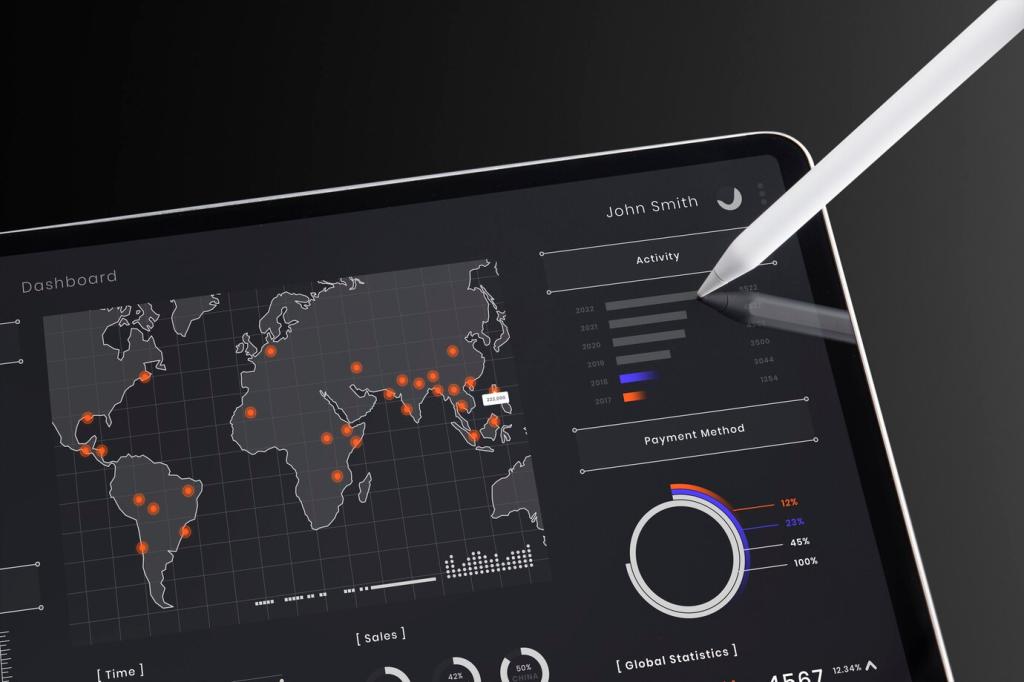
Good dashboards highlight exceptions, not just averages. Visual queues should surface low stock, aging inventory, and stuck transfers. Invite your team to comment on patterns they see and subscribe for weekly insights.
Success Metrics and Continuous Improvement
Map Your Reality First
Before buying tools, document item attributes, units, and location hierarchy. Sketch inbound and outbound flows honestly. This clarity turns configuration into a straightforward setup rather than an expensive archaeology project.
Pilot, Train, Iterate
Select a representative slice of your operation for a pilot. Train champions on scanners and workflows, then expand gradually. Invite questions in the comments, and subscribe to follow our step-by-step playbooks and templates.
Change Management with Heart
Automation is about people. Share a clear purpose, involve operators early, and celebrate quick wins. When someone improves a workflow, showcase their story here so others can learn and feel part of the transformation.